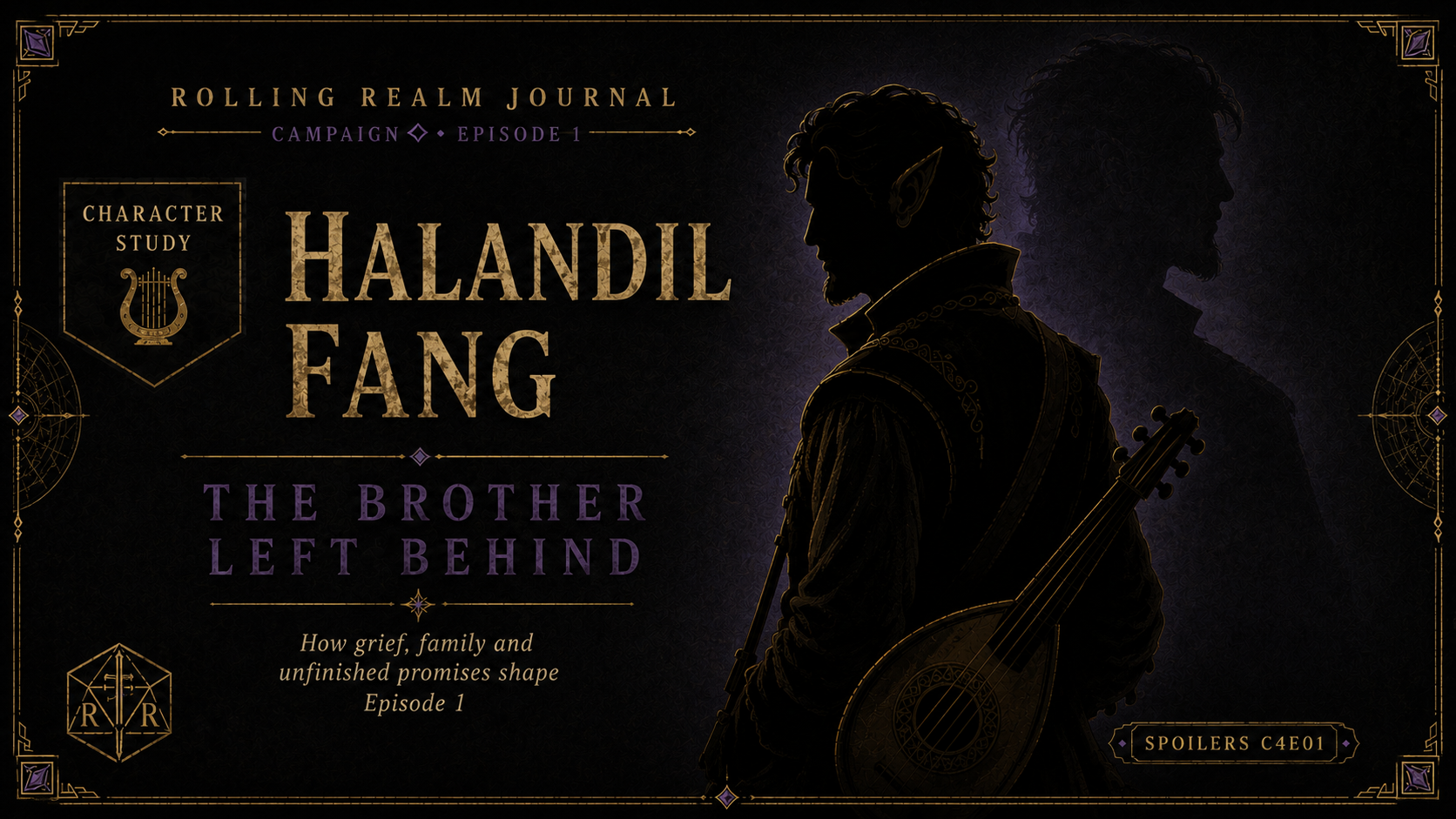
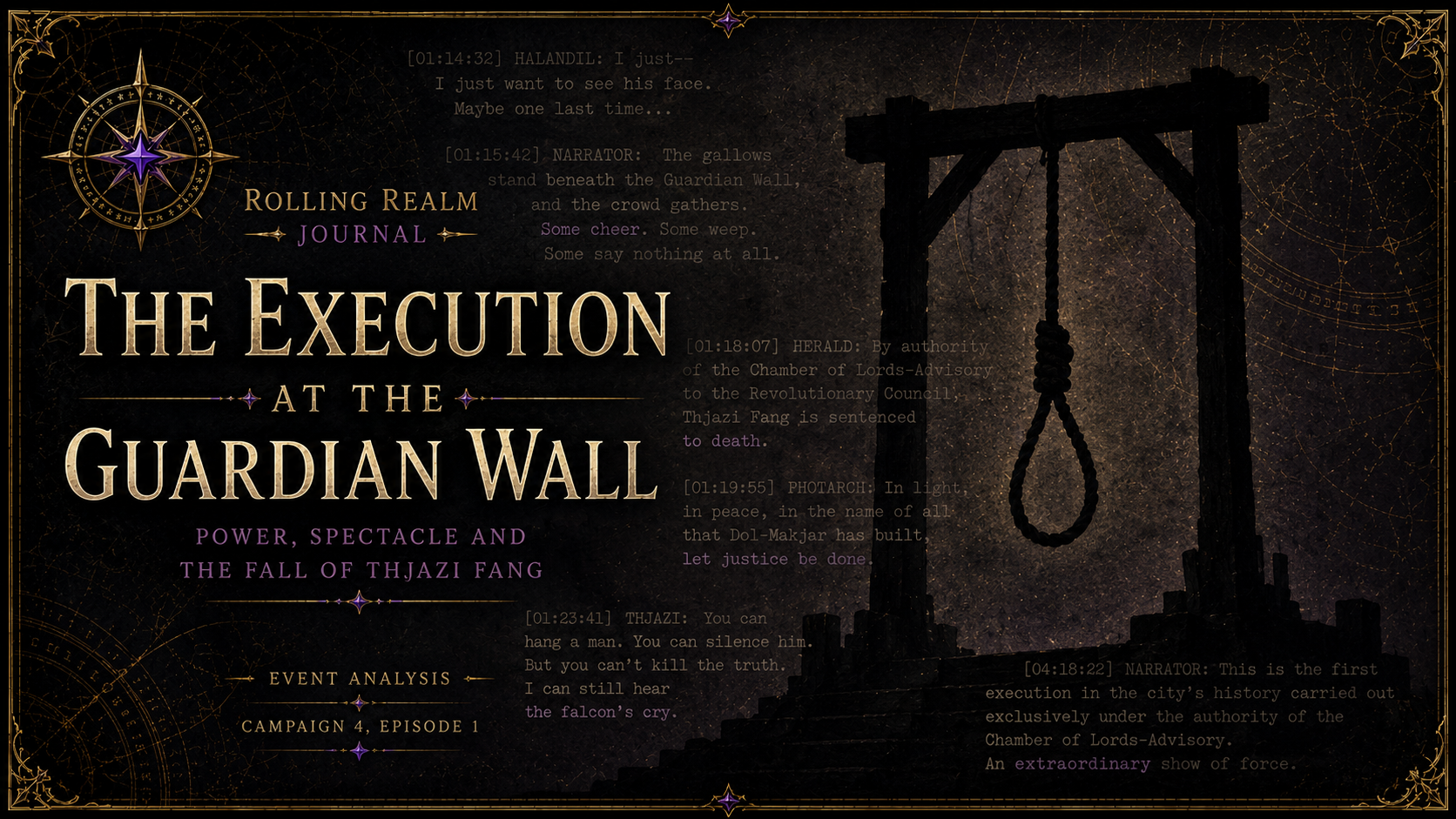
Thjazi Fang is executed beneath the Guardian Wall in Dol-Makjar after being condemned as a traitor, arcanist and murderer. The spectacle immediately exposes the contradiction at the heart of his reputation: the authorities present him as a dangerous criminal, while parts of the crowd openly cheer the man they still regard as a hero.
His final moments reinforce that divide. Even on the gallows, Thjazi jokes with his brother Hal, refusing to let fear define their last exchange. That composure changes when he notices something in the sky and becomes suddenly alarmed. Unable to explain what he has seen, he turns instead to unfinished responsibilities, telling Hal to help Murray, urgently mentioning the Penteveral, referring to paint waiting with Bolaire, and asking him to tell Thimble not to be scared.
Thjazi then uses his final public words to reject the legitimacy of the authority killing him. His execution therefore ends his life without resolving the political argument surrounding it: whether Thjazi was a criminal finally brought to justice, a rebel destroyed by the powers he opposed, or something more complicated than either description allows.
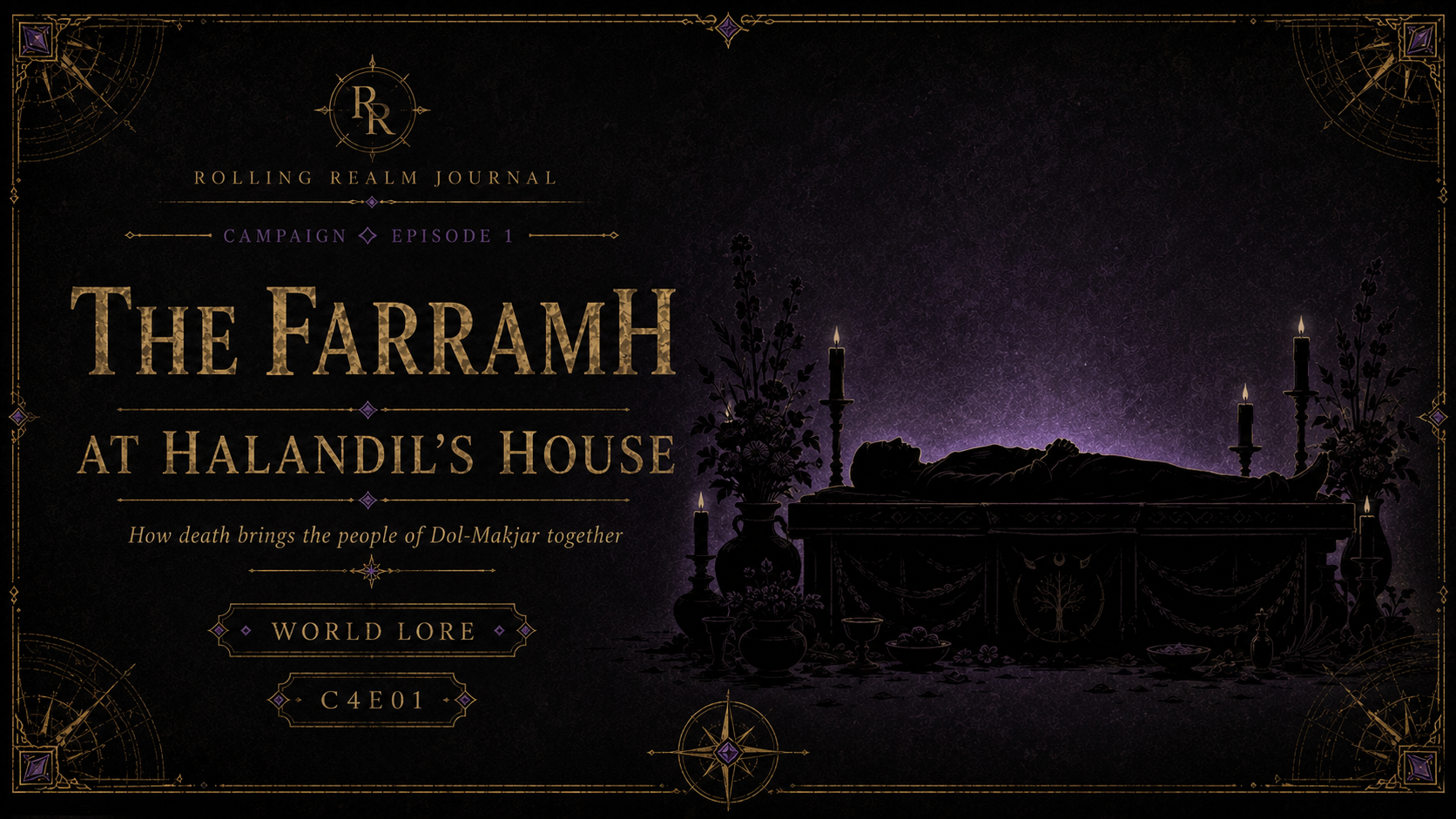
The farramh held afterward at Hal’s home reveals just how complicated that life had become.
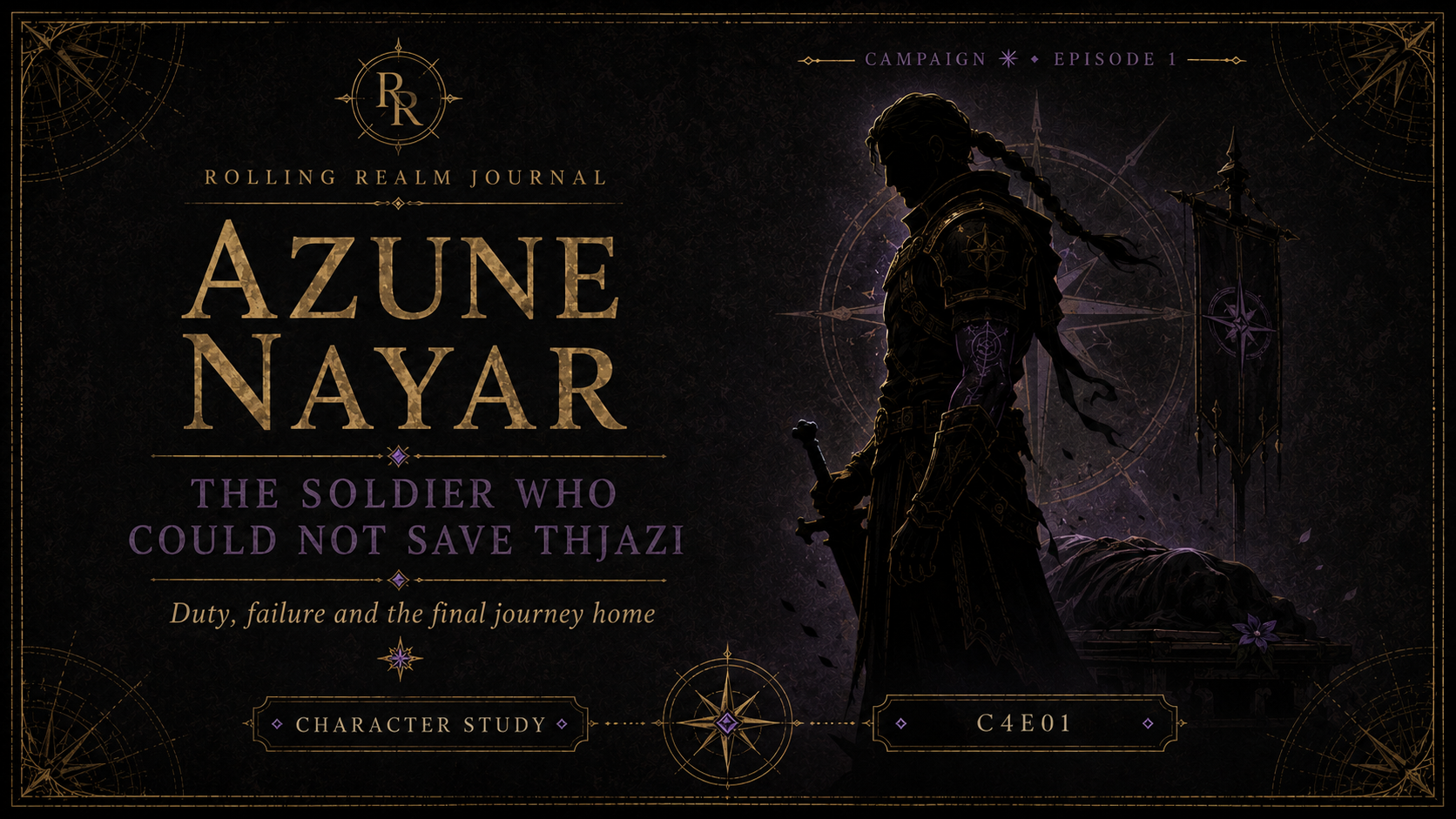
Family, former soldiers, nobles, arcanists and enemies all arrive carrying different versions of Thjazi. Azune Nayar remembers the battlefield leader who once carried him wounded through the Falconer’s Rebellion. Loza Blade remembers a commoner from Dol-Makjar audacious enough to marry into nobility and later rebel against his wife’s house. Aranessa Royce mourns an estranged husband she never stopped loving. Others remember a thief, conspirator or dangerous political opponent.
Together, those perspectives establish that even the people closest to Thjazi knew only parts of him. His life crossed social and political boundaries that rarely occupied the same room until his death forced them together.
The failed attempt to save him also becomes more troubling after the execution. Thimble, one of his closest companions, had successfully prepared the magical glyph intended to free him but was attacked before she could deliver it. The genuine glyph remains behind at Thjazi’s hideout, proving that whatever magic Azune detected on Thjazi at the gallows came from something else.
At the same time, the Stone of Nightsong, an elven relic recently stolen by Thjazi and Thimble, disappears during the attack on their hideout. Who interfered with the rescue, why Thimble was attacked, and whether the missing Stone is connected to what happened at the execution remain unknown.
Thjazi therefore becomes more mysterious in death than he appeared in life.
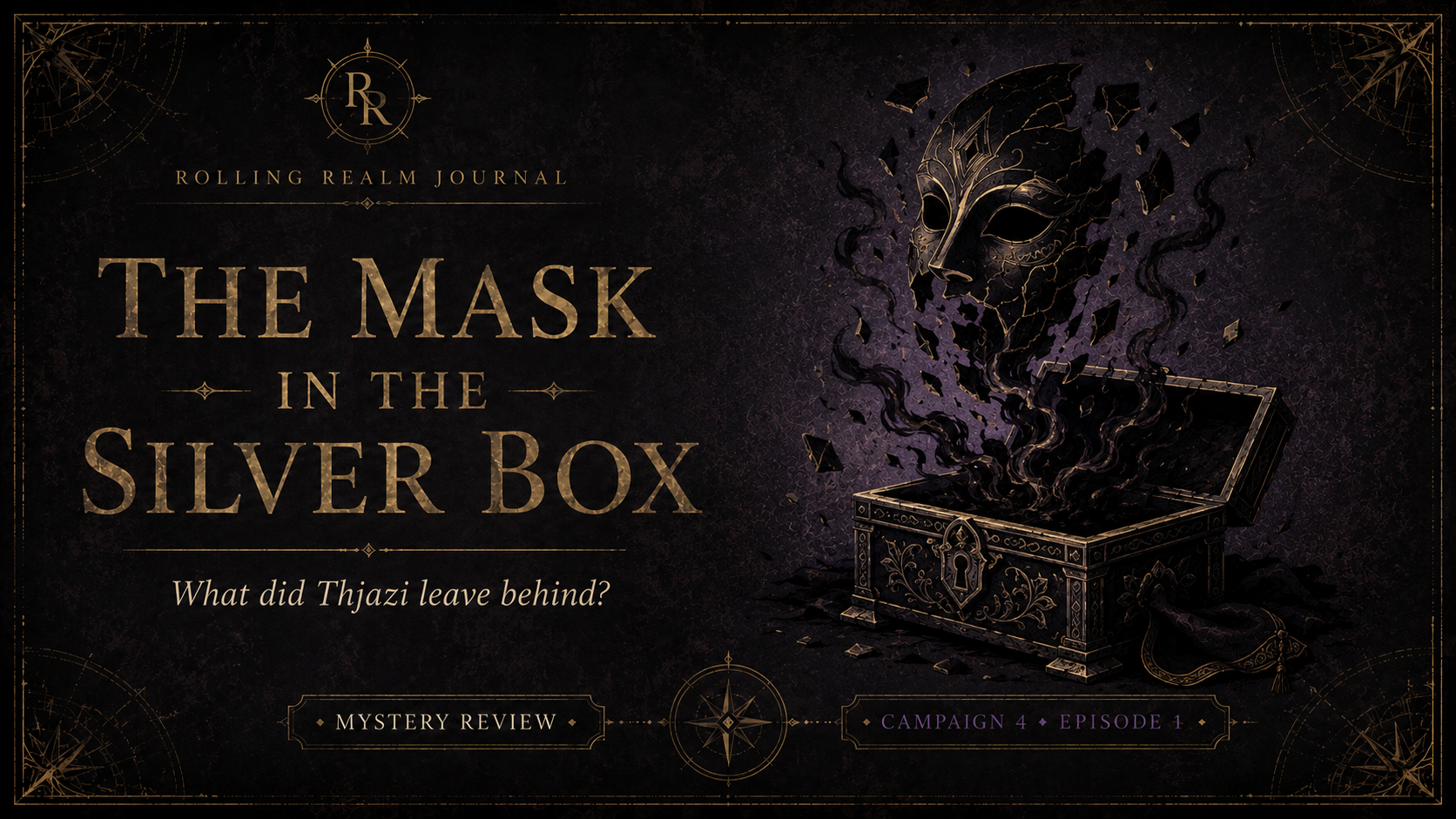
His final instructions remain unresolved. The Stone of Nightsong is missing. A silver box Thaisha Lloy believes Thjazi asked her to obtain opens at the mention of Thimble and begins forming a mask resembling Bolaire Lathalia’s.
For the people left behind, Thjazi’s execution is not the closing of his story. It is the point at which the hidden connections, loyalties and unfinished plans surrounding him begin to come into view.